From Probability...

to Precision.
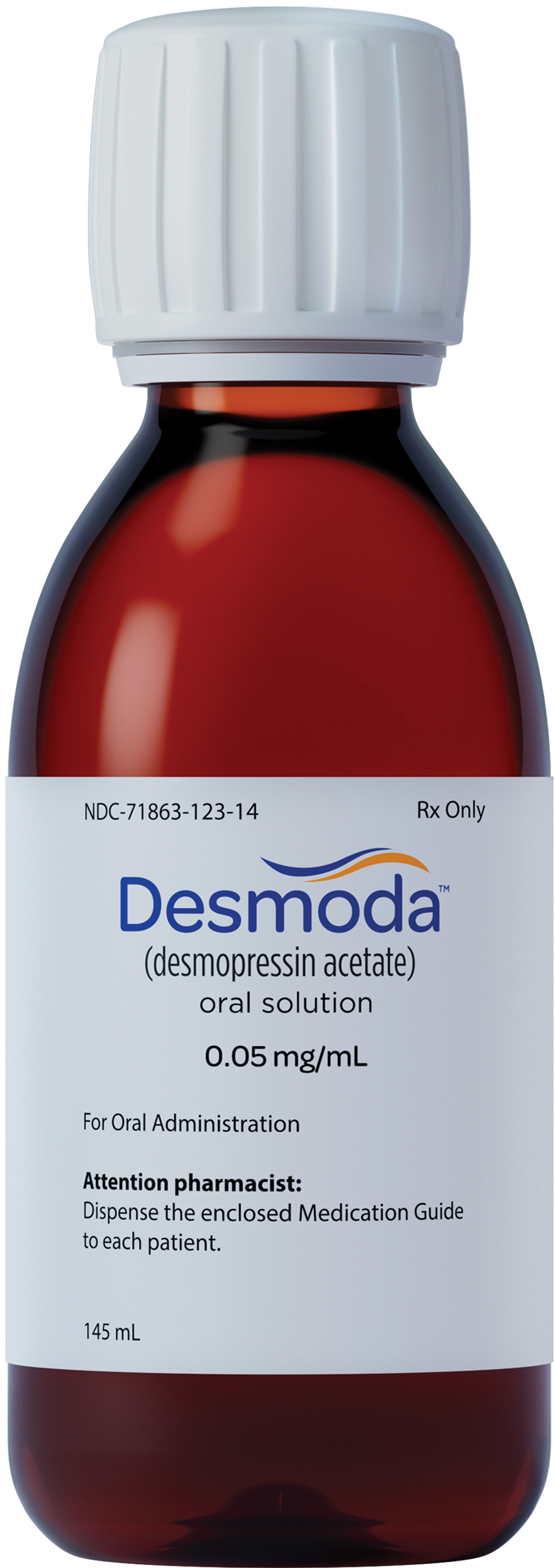
The first and only FDA-approved oral desmopressin solution designed for precision in oral dosing for central diabetes insipidus (CDI)1*
Limitations of Use: DESMODA is not indicated for the treatment of nephrogenic diabetes insipidus.1
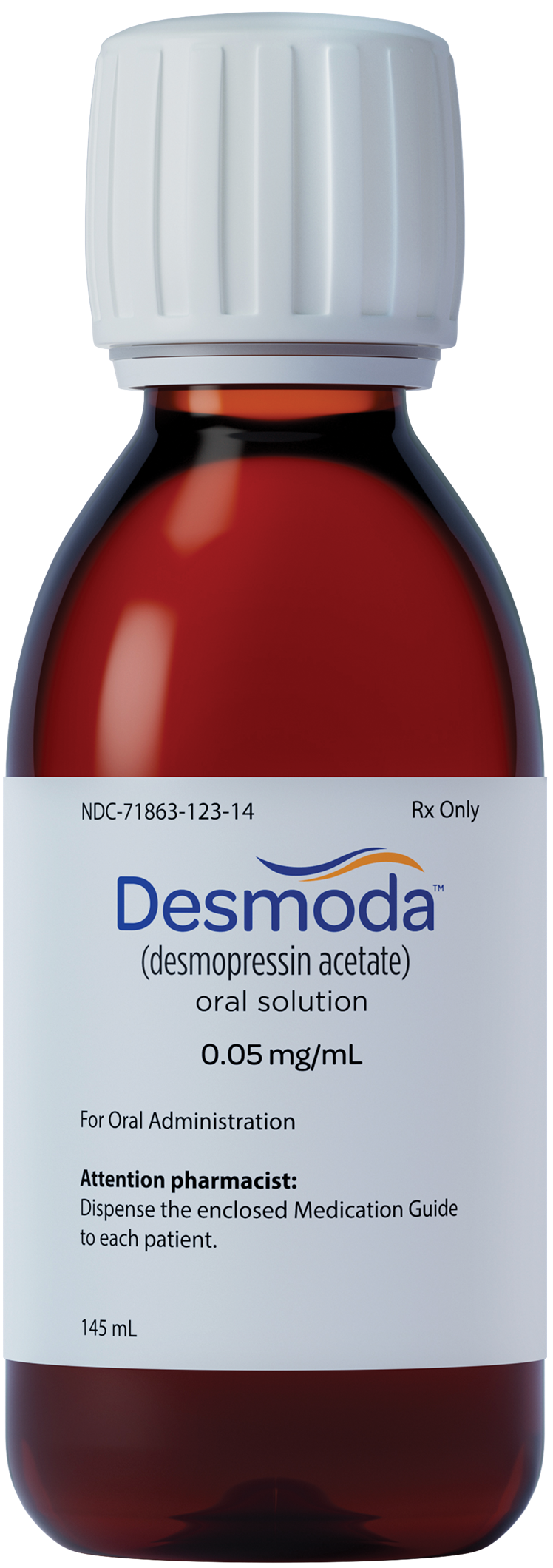


A step forward in CDI treatment control that you and your patients have been waiting for
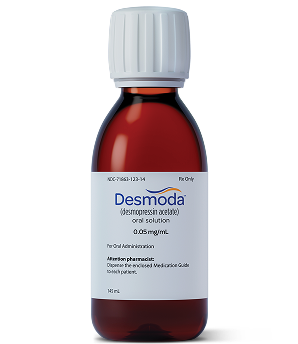
DESMODATM helps deliver precision, control, and flexibility across all ages for central diabetes insipidus, also known as arginine vasopressin deficiency (AVP-D).1,3-12

When precision needs to be practical, DESMODA helps deliver1,3-12
DESMODA is indicated for the management of central diabetes inspidus as antidiuretic replacement therapy for adults and pediatric patients. DESMODA is ineffective for the treatment of nephrogenic diabetes insipidus.1
Precision
Helps deliver accurate, reproducible dosing every time1
Control
Helps avoid the oral dosing variability associated with splitting tablets1,3,4
Flexibility
Supports individualized dose adjustment using a precisely measured liquid formulation1
Learn more about managing and diagnosing CDI (AVP-D)
Find practical resources for prescribing, access, and patient education
See how DESMODA helps bring precision, control, and flexibility to CDI (AVP-D) treatment
References: 1. DESMODA. Package Insert. Eton Pharmaceuticals; 2026. 2. Teare H, Argente J, Dattani M, et al. Challenges and improvement needs in the care of patients with central diabetes insipidus. Orphanet J Rare Dis. 2022;17(1):58. 3. Verrue C, Mehuys E, Boussery K, Remon JP, Petrovic M. Tablet-splitting: a common yet not so innocent practice. J Adv Nurs. 2011;67(1):26-32. 4. Saran AK, Holden NA, Garrison SR. Concerns regarding tablet splitting: a systematic review. BJGP Open. 2022;6(3):BJGPO.2022.0001. 5. Chin X, Teo SW, Lim ST, Ng YH, Han HC, Yap F. Desmopressin therapy in children and adults: pharmacological considerations and clinical implications. Eur J Clin Pharmacol. 2022;78(6):907-917. 6. VandenBerg CJ, Adams A, Bockrath R, et al. Hard to swallow: a review of interventions to improve swallowing solid medication. Hosp Pediatr. 2023;13(5):e123-e132. 7. Gudeman J, Jozwiakowski M, Chollet J, Randell M. Potential risks of pharmacy compounding. Drugs R D. 2013;13(1):1-8. 8. van den Engel-Hoek L, de Groot IJ, de Swart BJ, Erasmus CE. Feeding and swallowing disorders in pediatric neuromuscular diseases: an overview. J Neuromuscul Dis. 2015;2(4):357-369. 9. McLenon J, Rogers MAM. The fear of needles: a systematic review and meta-analysis. J Adv Nurs. 2019;75(1):30-42. 10. Centers for Disease Control and Prevention. Before, during, and after shots. CDC. August 9, 2024. Accessed February 2, 2026. https://www.cdc.gov/vaccines-children/before-during-after-shots/index.html 11. Zhi L, Liu D, Shameem M. Injection site reactions of biologics and mitigation strategies. AAPS Open. 2025;11:5. 12. Arima H, Cheetham T, Christ-Crain M, et al. Changing the name of diabetes insipidus: a position statement of the Working Group for Renaming Diabetes Insipidus. J Clin Endocrinol Metab. 2022;108(1):1-3.
USE AND IMPORTANT SAFETY INFORMATION
INDICATION
DESMODA (desmopressin acetate) is a vasopressin analog indicated for the management of central diabetes insipidus as antidiuretic replacement therapy for adults and pediatric patients.
Limitations of Use
Do not use DESMODA for the treatment of nephrogenic diabetes insipidus.
IMPORTANT SAFETY INFORMATION
Contraindications
DESMODA is contraindicated in patients with hypersensitivity to desmopressin acetate or to any of the components of DESMODA, patients with moderate to severe renal impairment (adults with creatinine clearance (CLcr) less than 50 mL/min), or patients with hyponatremia or a history of hyponatremia.
Warnings and Precautions
Hyponatremia: Excessive fluid intake when urine output is limited by the antidiuretic effect of desmopressin may lead to water intoxication with hyponatremia. Cases of hyponatremia have been reported from postmarketing experience with desmopressin acetate. Monitor patients for signs or symptoms associated with hyponatremia, including headache, nausea/vomiting, weight gain, restlessness, fatigue, lethargy, confusion, depressed reflexes, muscle cramps or spasms, and abnormal mental status. Severe hyponatremia may result in seizures, coma, respiratory arrest, or death.
Fluid restriction is recommended during treatment and is particularly important in pediatric and geriatric patients, who are at increased risk. More frequent monitoring of serum sodium is recommended in patients with conditions associated with fluid and electrolyte imbalance or those receiving concomitant medications that may cause hyponatremia. Temporarily stop treatment with DESMODA during acute intercurrent illness characterized by fluid and/or electrolyte imbalance or under conditions associated with increased water intake.
Fluid Retention: Desmopressin acetate may cause fluid retention and should be used with caution in patients with heart failure or uncontrolled hypertension. DESMODA is not recommended in patients at risk for increased intracranial pressure or those with a history of urinary retention.
Hypersensitivity Reactions: Hypersensitivity reactions including anaphylaxis have been reported rarely with intravenous and nasal administration of desmopressin acetate. DESMODA is contraindicated in patients with known hypersensitivity to desmopressin acetate or any of the components of DESMODA.
Risk of Benzyl Alcohol Toxicity in Neonates: Serious adverse reactions, including fatal reactions, have been reported in low-birth-weight neonates and preterm neonates who received benzyl alcohol containing drugs intravenously. DESMODA contains benzoic acid, a metabolite of benzyl alcohol; the relationship between systemic benzoic acid exposure and toxicity is not well characterized. Use DESMODA with caution in low-birth-weight neonates or preterm neonates and monitor for signs and symptoms of metabolic acidosis.
Adverse Reactions
The serious adverse reactions associated with DESMODA are hyponatremia, fluid retention, hypersensitivity, and the risk of benzyl alcohol toxicity in neonates. Other common adverse reactions reported with desmopressin acetate include abnormal thinking, diarrhea, and edema/weight gain. Additional adverse reactions reported in clinical studies or postmarketing experience include nausea, vomiting, headache, fatigue, dizziness, water intoxication, seizures, confusion, hallucinations, urinary retention, and rash.
To report a suspected adverse event related to DESMODA, contact Eton Pharmaceuticals, Inc. at 1-855-224-0233 or the U.S. Food and Drug Administration (FDA) at https://www.fda.gov/safety/medwatch or call 1-800-FDA-1088.
Please see full Prescribing Information for more information.
USE AND IMPORTANT SAFETY INFORMATION
INDICATION
DESMODA (desmopressin acetate) is a vasopressin analog indicated for the management of central diabetes insipidus as antidiuretic replacement therapy for adults and pediatric patients.
Limitations of Use
Do not use DESMODA for the treatment of nephrogenic diabetes insipidus.
IMPORTANT SAFETY INFORMATION
Contraindications
DESMODA is contraindicated in patients with hypersensitivity to desmopressin acetate or to any of the components of DESMODA, patients with moderate to severe renal impairment (adults with creatinine clearance (CLcr) less than 50 mL/min), or patients with hyponatremia or a history of hyponatremia.
Warnings and Precautions
Hyponatremia: Excessive fluid intake when urine output is limited by the antidiuretic effect of desmopressin may lead to water intoxication with hyponatremia. Cases of hyponatremia have been reported from postmarketing experience with desmopressin acetate. Monitor patients for signs or symptoms associated with hyponatremia, including headache, nausea/vomiting, weight gain, restlessness, fatigue, lethargy, confusion, depressed reflexes, muscle cramps or spasms, and abnormal mental status. Severe hyponatremia may result in seizures, coma, respiratory arrest, or death.
Fluid restriction is recommended during treatment and is particularly important in pediatric and geriatric patients, who are at increased risk. More frequent monitoring of serum sodium is recommended in patients with conditions associated with fluid and electrolyte imbalance or those receiving concomitant medications that may cause hyponatremia. Temporarily stop treatment with DESMODA during acute intercurrent illness characterized by fluid and/or electrolyte imbalance or under conditions associated with increased water intake.
Fluid Retention: Desmopressin acetate may cause fluid retention and should be used with caution in patients with heart failure or uncontrolled hypertension. DESMODA is not recommended in patients at risk for increased intracranial pressure or those with a history of urinary retention.
Hypersensitivity Reactions: Hypersensitivity reactions including anaphylaxis have been reported rarely with intravenous and nasal administration of desmopressin acetate. DESMODA is contraindicated in patients with known hypersensitivity to desmopressin acetate or any of the components of DESMODA.
Risk of Benzyl Alcohol Toxicity in Neonates: Serious adverse reactions, including fatal reactions, have been reported in low-birth-weight neonates and preterm neonates who received benzyl alcohol containing drugs intravenously. DESMODA contains benzoic acid, a metabolite of benzyl alcohol; the relationship between systemic benzoic acid exposure and toxicity is not well characterized. Use DESMODA with caution in low-birth-weight neonates or preterm neonates and monitor for signs and symptoms of metabolic acidosis.
Adverse Reactions
The serious adverse reactions associated with DESMODA are hyponatremia, fluid retention, hypersensitivity, and the risk of benzyl alcohol toxicity in neonates. Other common adverse reactions reported with desmopressin acetate include abnormal thinking, diarrhea, and edema/weight gain. Additional adverse reactions reported in clinical studies or postmarketing experience include nausea, vomiting, headache, fatigue, dizziness, water intoxication, seizures, confusion, hallucinations, urinary retention, and rash.
To report a suspected adverse event related to DESMODA, contact Eton Pharmaceuticals, Inc. at 1-855-224-0233 or the U.S. Food and Drug Administration (FDA) at https://www.fda.gov/safety/medwatch or call 1-800-FDA-1088.
Please see full Prescribing Information for more information.